May 2026 Global Museum Guide
A curated roundup of 25+ major exhibition openings in May 2026—Venice Biennale, Met, LACMA, Grand Palais, Forbidden City, and more—each with key works, ticket info, and a 「worth flying for?」verdict.
May is an unusual month in the global museum calendar: too early for summer blockbusters, too late for spring programs that opened in February. Most of the Louvre, British Museum, and Prado offer nothing new this month — they're between seasons. But scattered across that quiet backdrop are a small number of genuinely significant openings, plus one event that upends the entire framing: the Venice Biennale, the world's most important recurring art gathering, opens this month and runs through November. If you're going to book one flight this spring, the calculus is clearer than usual.
Here's where things stand globally for May 2026.
Venice Biennale: an edition defined by grief and conviction
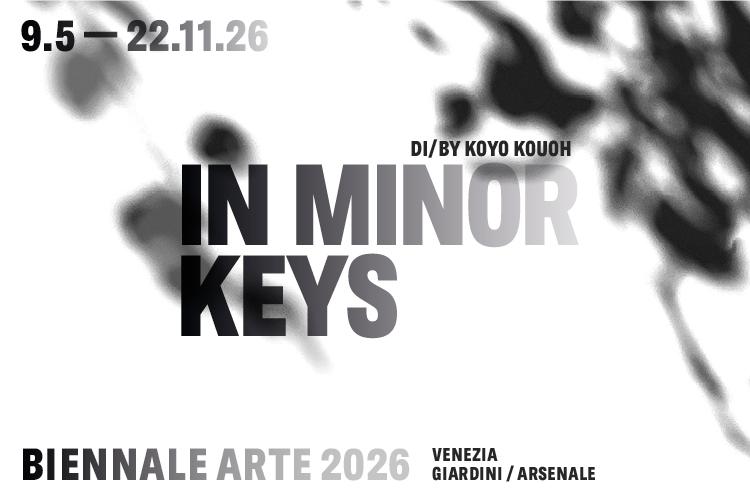
Dates: May 9 – November 22, 2026 1
Venues: Giardini, Arsenale, Forte Marghera (Mestre), plus 31 official collateral events across Venice
Tickets: €30 full / €20 reduced (65+, Venice residents) / €16 students and under-26 / 3-day pass €40 2
Hours: 11am–7pm daily (Arsenale open to 8pm Fri/Sat); closed most Mondays
The central exhibition: "In Minor Keys"
Koyo Kouoh — the Cameroonian-born, Dakar-based curator who was named Artistic Director of the 61st International Art Exhibition in late 2024 — died on May 10, 2025, one year and one day before the Biennale she designed would open. 3 She had sent her curatorial text to Biennale president Pietrangelo Buttafuoco on April 8, 2025. Her team — advisors Gabe Beckhurst Feijoo, Marie Hélène Pereira, and Rasha Salti, along with editor-in-chief Siddhartha Mitter — carried the exhibition through. 3
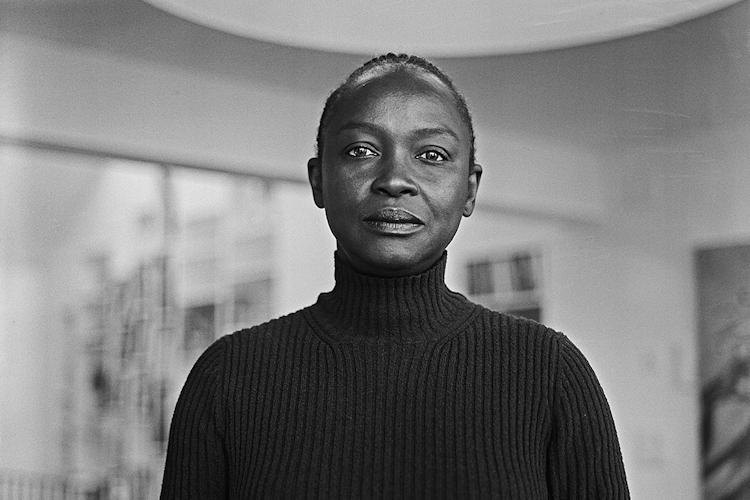
The exhibition is titled "In Minor Keys" and features 110 invited artists, collectives, and artist-led organizations across the Giardini, Arsenale, and Forte Marghera. 4 The structure replaces traditional curatorial sections with five motifs: Shrines, Procession, Enchantment, Rest/Oases, and Schools. Two Shrines honor artists Issa Samb (Dakar, 1945–2017) and Beverly Buchanan (USA, 1940–2015). A Poetry Caravan procession through the Giardini references Kouoh's own 1999 journey from Dakar to Timbuktu.
Kouoh's curatorial text — written months before her death — described what the exhibition was reaching for: "This exhibition is tuned in to the minor keys and invites listening to the persistent signals of earth and life, connecting to soul frequencies." 3
Exhibition design is by Wolff Architects (Cape Town), appointed by Kouoh in early 2025 — sweeping indigo banners mark the thresholds between spaces. Graphic identity by Clarissa Herbst and Alex Sonderegger draws on komorebi, the Japanese word for light filtered through leaves. 4
Frieze critic Marko Gluhaich, reviewing the pre-opening, wrote that the show "honours Koyo Kouoh's vision with great care" but noted that "even a commendable exhibition cannot resolve the Biennale's problems." 5 He highlighted the fierce pussy and Jo-ey Tang installation "we are here" (2026), placed at the Scarpa ticket booth just outside the Giardini's entrance — a piece that addresses the fact that Palestine is recognized by 147 UN member states yet has no official Biennale pavilion. 5 Also praised: Sohrab Hura's pastel paintings, Otobong Nkanga's floating garden, and the Issa Samb courtyard shrine.
Opening day drew around 10,000 visitors, a 10% increase over the 2024 Biennale's opening day. 4 Pre-opening attendance over May 5–8 was 27,935 — up 4% — with 3,733 journalists, 70% of them international. 4
National pavilions to prioritize
100 national participations fill the Giardini (29), Arsenale (25), and Venice city center (46). 1 Seven countries are participating for the first time: the Republic of Guinea, Equatorial Guinea, Nauru, Qatar, Sierra Leone, Somalia, and Vietnam. 1 El Salvador participates with its own dedicated pavilion for the first time. Iran announced it would not participate on May 4. 1
The US Pavilion — the largest and most architecturally imposing in the Giardini — shows sculptor Alma Allen (born in Utah, lives in Mexico) in an exhibition titled "Call Me the Breeze", curated by Jeffrey Uslip. Allen works in Colorado Yule marble (the same stone used in the Lincoln Memorial), Guatemalan green quartzite, and American walnut burl, and has titled every sculpture "Not Yet Titled" as a deliberate resistance to fixed interpretation. 6 The selection was preceded by the dropping of a first-chosen artist before announcement and a delay caused by a US government shutdown — Uslip told The Art Newspaper it was nonetheless "the smoothest exhibition I've curated in 30 years." 6
The Germany Pavilion — titled "Ruin" — was co-conceived by Henrike Naumann (b. 1984) and Sung Tieu, curated by Kathleen Reinhardt. Naumann died of cancer in February 2026 before the opening; the exhibition continues as planned and turns the pavilion into a meditation on memory and migration. 7
The Holy See Pavilion may be the most improbable lineup in Biennale history: curators Hans Ulrich Obrist (artistic director, Serpentine Galleries) and Ben Vickers assembled Alexander Kluge, Brian Eno, FKA Twigs, Patti Smith, Moor Mother, Holly Herndon and Mat Dryhurst, Terry Riley, Suzanne Ciani, and Laraaji, among others, installed across two unconventional spaces — the Complesso di Santa Maria Ausiliatrice in Castello and a mystical garden in Cannaregio. 7
The New York Times identified seven pavilions generating the most early buzz; among those confirmed: Austria (Florentina Holzinger, "Seaworld Venice"), Japan (performance artist Ei Arakawa-Nash, curated by Lisa Horikawa of the Mori Art Museum), and Belgium (Miet Warlop, "IT NEVER SSST"). 8 China's pavilion, "Dream Stream" (梦溪), draws on Shen Kuo's Northern Song Dynasty Dream Pool Essays and includes the Game Science studio — the team behind the video game Black Myth: Wukong — among a large roster of artists assembled by curator Yu Xuhong, President of the China Academy of Art. 7
One institutional note: the International Jury resigned on April 30, 2026, amid controversy over whether countries at war — specifically Israel and Russia — should remain eligible for awards. No Golden Lions for Lifetime Achievement were awarded this edition, as Kouoh was unable to finalize recipients before her death. Two audience-voted "Visitors' Lions" were established as replacements. 4
Worth flying to Venice for? Yes — unambiguously. The Venice Biennale occurs once every two years; this edition carries an unusual emotional weight given Kouoh's posthumous authorship, a genuinely extraordinary Holy See pavilion, and the first-timer countries adding geographic range the Biennale has lacked. The 31 officially sanctioned collateral events mean there are months' worth of material to see. A three-day pass (€40) is a reasonable minimum; most serious visitors spend four to five days.
North America: four cities with real reasons to go
Los Angeles: an institution reborn
LACMA (Los Angeles County Museum of Art, 5905 Wilshire Boulevard) opened the David Geffen Galleries to the public on May 4, 2026, after more than two decades of controversy, construction, and four changes in architectural leadership. The final design by Swiss architect Peter Zumthor is a serpentine, low-slung concrete structure spanning approximately 347,500 square feet — it replaces the campus demolished in 2020 and houses LACMA's permanent collection. 9 At $700 million, it is among the most expensive museum buildings completed in the 21st century. 10
Inaugurating the new W.M. Keck Foundation Gallery is "Now We're There (And We've Only Just Begun)", the first solo institutional presentation in Los Angeles for painter Christina Quarles. Quarles, based in Los Angeles, makes large-scale canvases exploring identity, bodily experience, and how we are seen by others — luminous, shape-shifting figures in bold color. The gallery will run a series of family-friendly workshops with the artist. 11
If you're in Southern California this summer for any reason, the building alone justifies the visit. As a destination unto itself, wait for the permanent collection installation to settle and programs to build — the Zumthor building will be here for generations.
Three weeks later, also in Los Angeles: The Broad (Grand Avenue, free general admission) opens Yoko Ono: Music of the Mind on May 23, running through October 11. 12 Organized in collaboration with Tate Modern, this is Ono's first solo museum exhibition in Southern California. Participatory works include Wish Trees for Los Angeles (olive trees on the East West Bank Plaza where visitors tie written wishes), Painting to Hammer a Nail (1961/1966), Helmets (Pieces of Sky) (2001), and film footage of Cut Piece (1964) and Bed Peace (1969) with John Lennon. Also on display: typescript drafts of Ono's 1964 artist book Grapefruit, which contained over 200 "instruction" works. Free admission makes this a low-barrier, high-return visit.
New York: three institutions, one neighborhood
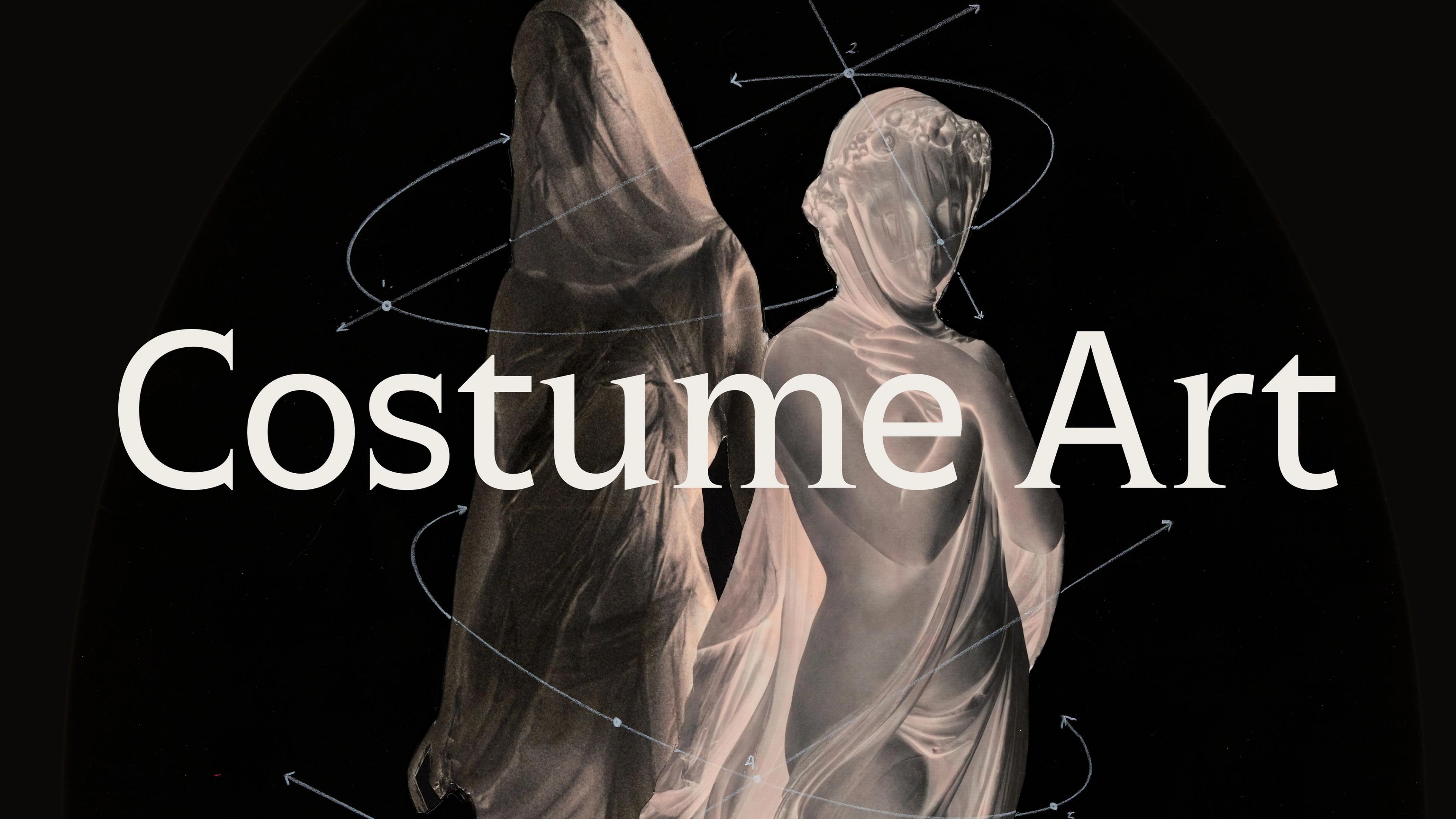
On May 10, the Metropolitan Museum of Art (1000 Fifth Avenue, general admission $30) opens Costume Art in its brand-new Costume Institute galleries — nearly 12,000 square feet adjacent to the Great Hall, the first permanent expansion of the Costume Institute's physical footprint. 13 The exhibition pairs garments with artworks from across the Met's collection, spanning prehistory to the present, organized around thematic body types. The New York Times called it a "fashion blockbuster" in its May 7 preview. 13 Made possible by Jeff Bezos and Lauren Sánchez Bezos. Runs through January 10, 2027.
On May 18, two further Met openings: "The Face of Life: Modern Portraits at The Met" (nearly 80 works from 1900–1960s, including Leonora Carrington, Alice Neel, Matisse, Picasso, and René Magritte, with recent acquisitions by Wifredo Lam and Laura Wheeler Waring) 14, and "Creatures of Myth and Imagination: Europe and the Americas" at The Met Cloisters in upper Manhattan — over 50 objects from 500–1500 CE spanning two continents, including a Tairona gold pendant from Colombia and a monumental dragon fresco from the monastery of San Pedro de Arlanza, Spain. 15 Both included in general admission; Creatures runs through October 18.
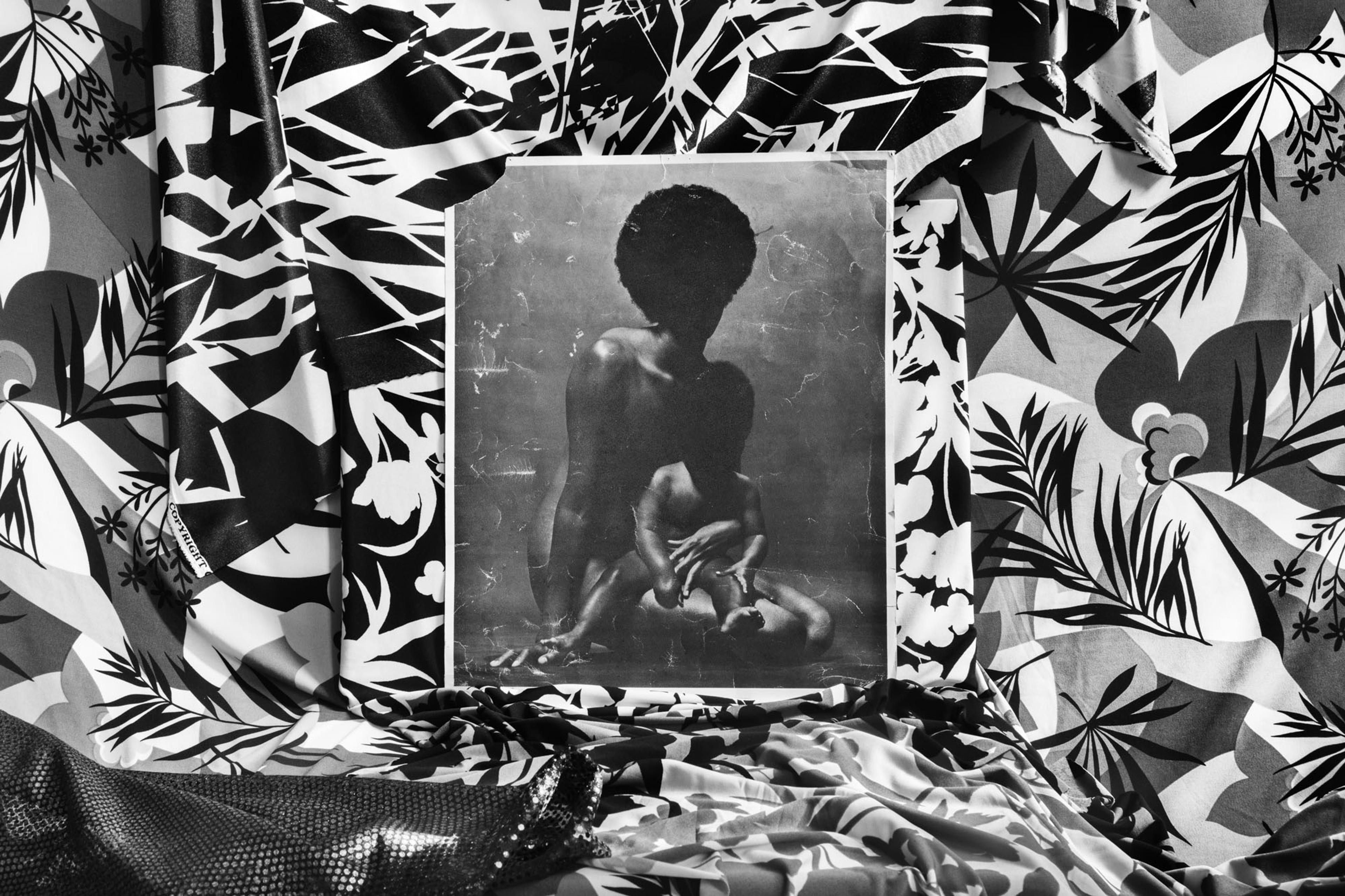
At the Brooklyn Museum (free with admission, $20 adults), two openings are worth combining into a single visit. "Common Sense" (May 1 – November 8, Beaux-Arts Court) pairs Thomas Paine's Common Sense (1776) and The American Crisis (1776–83) with nine contemporary artists — including Kara Walker, Charles Gaines, Paul Ramírez Jonas, and Hank Willis Thomas — timed to America's 250th anniversary year. 16 Simultaneously, on the museum's outdoor Iris Cantor Plaza, Keisha Scarville (b. 1975, Brooklyn-based photographer of Guyanese descent and winner of the 2026 UOVO Prize) has installed "Where Salt Meets Black Water" (through October 4) — large outdoor works overlaying portraits and still lifes onto abstract patterns sourced from her late mother Alma's garments. 17
Chicago: three institutions in a week
The Art Institute of Chicago (admission $25 adults; free for Illinois residents) opens two exhibitions on May 2 and they could hardly be more different from each other.
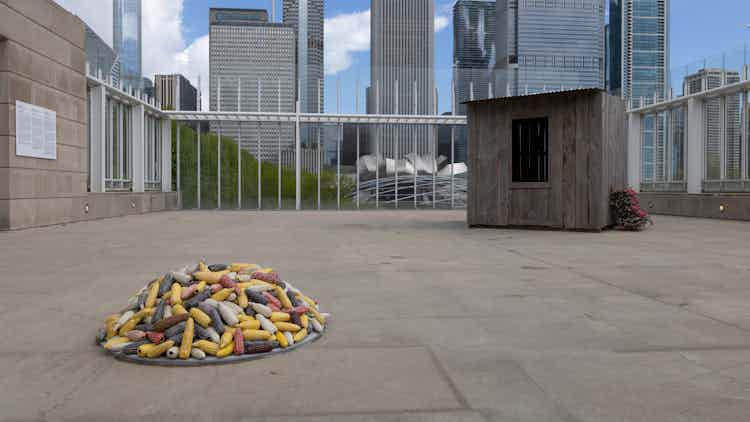
Edgar Calel: Corn Mountain of Life (Ixim Juyu K'aslem) places a K'ojay hut — in Kaqchikel Maya, "K'ojay" means "we have a house" or "we have a future" — built from recycled materials on the museum's Bluhm Family Terrace. Inside the hut: a turtle sculpture with corn breaking through its shell (the turtle representing earth and time cycles; corn, the sustaining force of Maya life). Outside: a mountain of ceramic corn. Calel, born in Guatemala and of Maya-Kaqchikel descent, told the museum: "The world is what you know, what you can reach for." 18 Runs through September 13.
Also opening May 2: Embroidered Traditions from Morocco to Afghanistan — the first exhibition at the Art Institute devoted entirely to artistic traditions from Southwest Asia and North Africa (SWANA). Over 70 works from the 18th through 20th century, the majority never before exhibited publicly, including four rare face veils on loan from a private collector in Riyadh, Saudi Arabia, Ottoman Turkish linen panels, and a rare Iraqi Marsh Arab wedding blanket. 19 Runs through January 25, 2027.
Two blocks north, the Museum of Contemporary Art Chicago (admission $15; free for Illinois residents on Tuesdays) opens Chicago Works | Mike Cloud: Worldless Obstruction in the Turner Gallery on May 2. 20 Mike Cloud (b. 1974, Chicago), the 27th artist in MCA's long-running Chicago Works series and a 2024 Guggenheim Fellow, creates foldable paintings incorporating emojis, hinges, rope, and large "X" shapes — the works are installed in various configurations across walls and floors, referencing barricades while responding to the art historical framing of abstract painting as apolitical. Runs through February 7, 2027.
San Francisco: two openings, different ends of the room
SFMOMA (151 Third Street, general admission $25) opens two shows on May 16.
"Matisse's Femme au chapeau: A Modern Scandal" is exclusive to SFMOMA — the only venue for this exhibition. It restages the 1905 Salon d'Automne debut of Matisse's Femme au chapeau (the woman with a hat that prompted critics to call the exhibiting painters "les Fauves"), bringing together the greatest number of works from that historic display assembled in over a century. Works by Matisse, André Derain, Albert Marquet, and Maurice de Vlaminck from the original 1905 show are joined by responses from contemporary painters including Hilary Harkness and Rachel Harrison, plus Bay Area Figurative artists Joan Brown, Richard Diebenkorn, and David Park. 21 Surcharged: $10 weekdays, $12 weekends and holidays; SFMOMA members free. Runs through September 13.
On the same opening date but free of charge: "Feel the Beat: Dance in Photographs" (through January 31, 2027) traces photographers as participants in — not spectators of — dance, opening with Bay Area experimentalist Anna Halprin and moving through Eikoh Hosoe's Kamaitachi series (his collaboration with Butoh founder Tatsumi Hijikata), Larry Fink's Studio 54 photographs (1977), and Malick Sidibé's Mali Twist series. 22 On May 23, also free: Jake Elwes: Zizi in Motion — A Deepfake Drag Utopia arrives in the Haas Atrium — 21 life-size AI-generated deepfake drag artists dancing on an LED screen, examining gender bias in machine learning systems. Live performance The Zizi Show on May 28. 23
Quick-hit US openings
| Museum | Exhibition | Opens | Closes | Ticket | Why it matters |
|---|---|---|---|---|---|
| Seattle Art Museum | Monochrome: Calder and Tara Donovan | May 13 | Jan 17, 2027 | Museum admission | Donovan's installations (mylar, slinkies, tar paper) paired with Calder's sculptural black |
| MFA Houston | Picasso–Klee–Matisse: Masterpieces from Museum Berggruen | May 20 | Sept 13 | Museum admission | U.S. debut of Berlin's Museum Berggruen; 95+ works with Giacometti, Braque, Cézanne |
| NGA Washington | Beneath the Surface: Mining and American Photography | May 23 | Aug 23 | Free | Nearly two centuries of American mining photography; NGA is always free |
Europe: scattered but sharp
Grand Palais, Paris: Hilma af Klint (May 6 – August 30)
The first exhibition in France devoted to Swedish painter Hilma af Klint (1862–1944) opened May 6 at the Galeries nationales du Grand Palais (3 Avenue du Général Eisenhower, Paris 8th), co-organized with Centre Pompidou, which is currently undergoing renovation. 24 af Klint's large-scale abstract paintings, made between 1906 and 1915, predate Kandinsky's Composition V by several years — a fact that sits uncomfortably with the standard art-historical story of abstraction's origins. This is the first opportunity for French audiences to encounter her work at scale.
Worth the trip? For anyone with a serious interest in 20th-century art history, yes. The Grand Palais itself reopened in 2024 after a years-long renovation, and the building remains one of the finest exhibition spaces in Europe.
Tate Britain, London: James McNeill Whistler (May 21 – September 27)
The first major European retrospective of James McNeill Whistler (1834–1903) in 30 years opens at Tate Britain (Millbank, SW1P 4RG). 25 The exhibition traces his career from his St. Petersburg teenage years through his enigmatic late self-portraits, and includes on loan from Musée d'Orsay (where it rarely leaves): Arrangement in Grey and Black No.1 (1871), universally known as "Whistler's Mother."
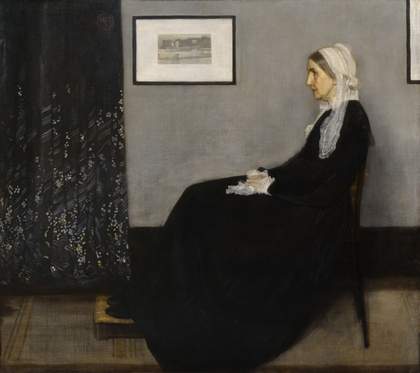
Tate's curatorial text describes Whistler as "a truly global figure" who "re-wrote the rules of what it meant to be an artist." 25 The exhibition spans prints, drawings, and designs alongside the major paintings. Tickets: £24 / free for Tate members / £22 concessions / £5 for Tate Collective (ages 16–25).
Kew Gardens, London: Henry Moore: Monumental Nature (May 9 – January 31, 2027)
The largest ever outdoor presentation of Henry Moore's work opened at Kew Gardens (Richmond, adult entry from ~£20) on May 9 — 30 monumental sculptures placed across the gardens in dialogue with Kew's historic landscapes and trees. 26 An indoor companion exhibition at the Shirley Sherwood Gallery features 90+ smaller-scale works, drawings, models, and sketchbooks, many rarely accessible to the public.
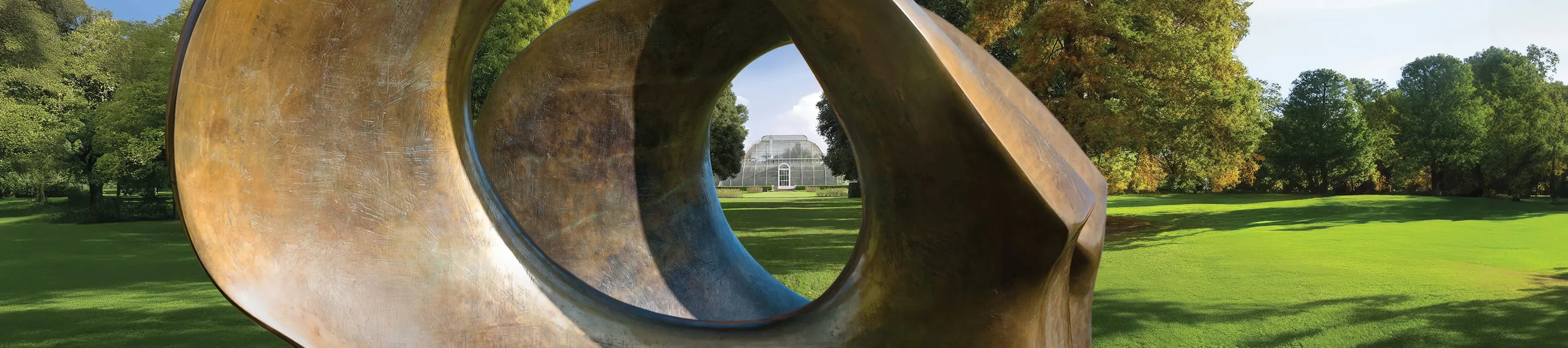
Guided walking tours run daily at 12:30pm and 2pm. Admission is included with standard garden entry — a day at Kew is already a reasonable proposition in May when the gardens are in full bloom.
Musée d'Orsay, Paris: Youssef Nabil — To Dream Again (May 19 – September 13)
Youssef Nabil (b. 1972, Franco-Egyptian) becomes the first contemporary artist exhibited in Musée d'Orsay's Orientalist galleries — a structural statement about the museum's willingness to re-examine its own collections and the histories they encode. 27 Nabil's black-and-white silver prints, enhanced with old hand-coloring technique, are organized in a five-stage journey: from 19th-century expedition photographs through Nabil's childhood in Egypt, his 1992 first visit to the Orsay, identities across the Mediterranean, and two video works. The title is drawn from Caliban's speech in Shakespeare's The Tempest: "that, when I waked, I cried to dream again." 27 Location: Salle 8, Level 0. Included in standard admission €16. Thursday late opening until 9:45pm (€12 nocturne rate).
Madrid: two exhibitions, one city
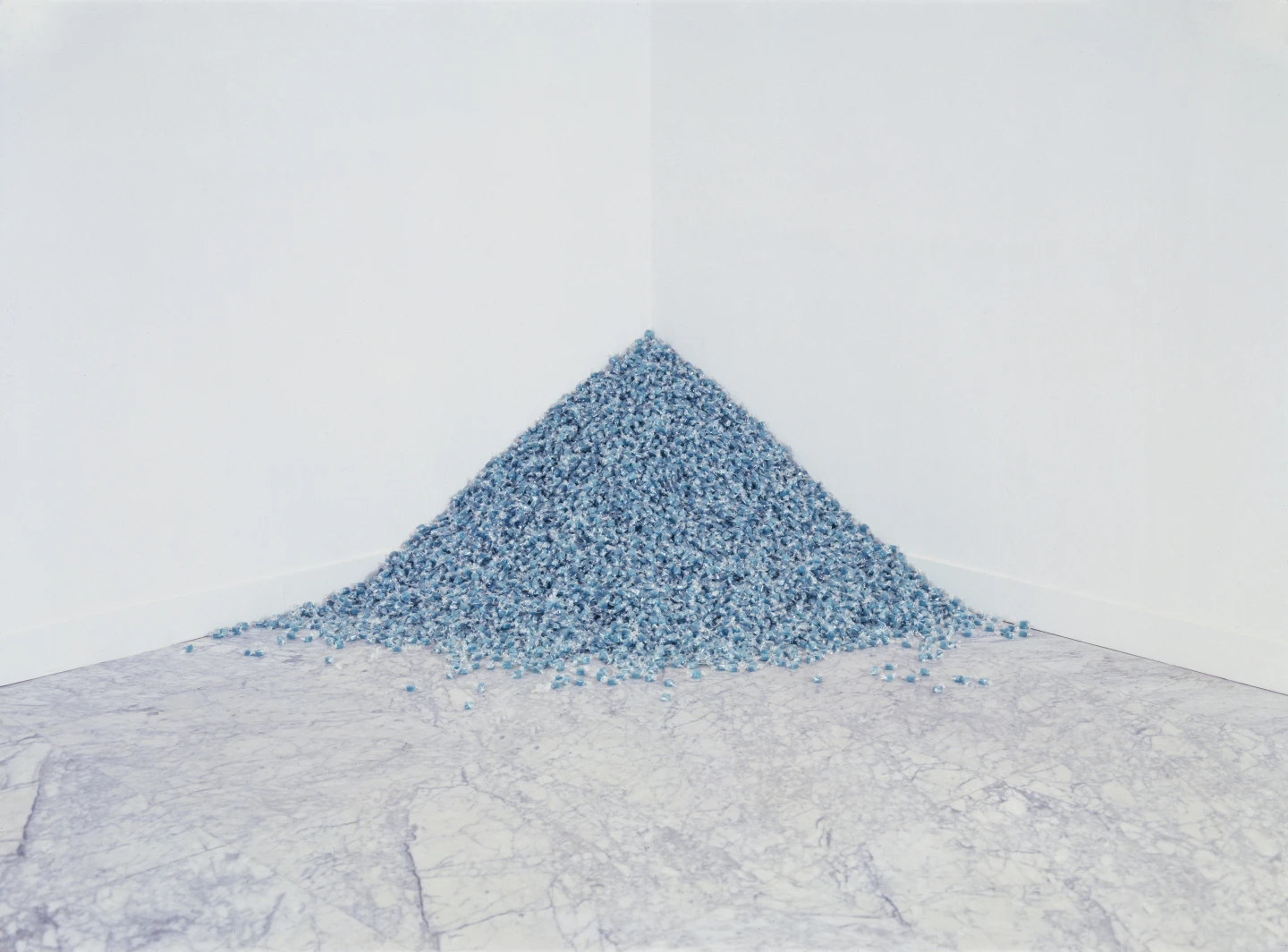
At Museo Reina Sofía (Sabatini Building, general admission €12, free Mon and Wed–Sat 7–9pm and Sun 12:30–2:30pm), "Felix Gonzalez-Torres: Sweet Revenge" opens May 27 and runs through October 12. 28 This is the first large-scale presentation of Gonzalez-Torres's work in Madrid. Curated by Alejandro Cesarco and Nancy Spector, the show uses as its organizing idea the artist's own 1991 remark about his return to Madrid — where he had lived briefly as a child sent from Cuba in 1971 — "went back to Madrid after almost twenty years — sweet revenge." 28 The exhibition spans candy spills (endlessly replenished), paper stacks, light strings, billboards, and curtains — work made in the shadow of the AIDS crisis that killed his partner in 1991.
At the Thyssen-Bornemisza Museum (Paseo del Prado 8), two shows open within days of each other. "Ewa Juszkiewicz" (May 26 – September 6) is the first solo museum presentation by the Polish painter (b. 1984, Gdańsk): over 20 works in which the sitter's face in a classical female portrait is completely obscured by elaborate arrangements of fabric, hairstyle, fruit, or vegetation. 29 Curated by the museum's Artistic Director Guillermo Solana; Monday admission free with Mastercard sponsorship. On May 18, a separate show opens in the central hall, Level 0: "Gaza, where life endures" — 10 contemporary portraits of Palestinian civilians by an anonymous Gazan photographer from the UNRWA team, each portrait accompanied by an image of a personal belonging (a ball, a pair of shoes, a tarpaulin shelter). Free access; runs through June 14. 30
Last chance and notable ongoing in Europe
- Fondation Beyeler, Basel — Cézanne closes May 25. The foundation's first-ever Cézanne exhibition features ~80 oil paintings and watercolors focused on the final 20 years of his output. 31 If you're near Basel before month's end, go.
- British Museum forecourt, London — Tapestry of Trees (through June 2, free): garden designer Andy Sturgeon plants 37 silver birch trees across the forecourt, their hessian-wrapped rootballs evoking the Bayeux Tapestry's textures. It's a preview — the actual Tapestry arrives in September 2026 for its first return to England in nearly 1,000 years. 32
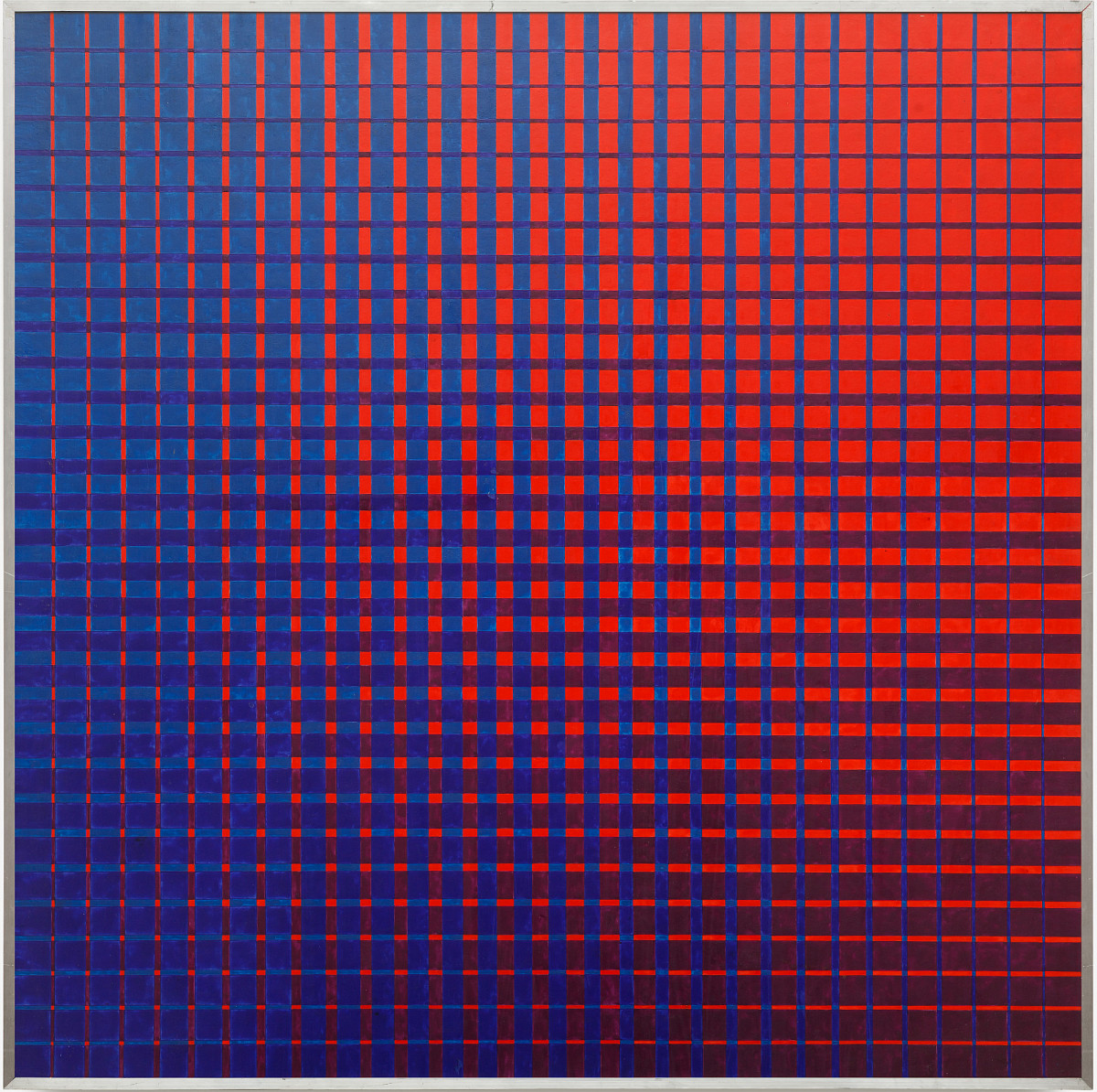
- Albertina, Vienna — Helga Philipp: Spaces of Movement (May 1 – September 20): ~50 works by the preeminent Austrian op-art and concrete art practitioner (1939–2002), spanning painting, drawing, printed graphics, and interactive objects. 33
Asia-Pacific: three cities worth the detour
Beijing: the Forbidden City's horses
"Divine Steeds: Horses in Painting and Calligraphy" at the Palace Museum's Hall of Literary Glory (文华殿 Painting and Calligraphy Gallery), open through June 21, presents 55 works including 20 Grade One national treasures and 28 works on public display for the first time. 34 The anchor work is Li Gonglin's Copy of Wei Yan's Pasturage, a 46.2-by-429.8-centimeter handscroll depicting 1,247 horses and 142 herdsmen — last publicly exhibited 11 years ago. Other highlights include Zhao Mengfu's Man Riding Horse, Giuseppe Castiglione's equestrian portraits, and a Tang Dynasty scroll documenting the ancient practice of keeping monkeys in stables to ward off equine disease. Admission is free with the Palace Museum entry ticket; advance reservation required via WeChat mini-program (tickets released daily at 8pm, seven days in advance). 34
Tokyo: the sculptor who makes bodies uncomfortable
Mori Art Museum (Roppongi Hills) presents Ron Mueck (through September 23) — the Australian-born, London-based sculptor's second solo exhibition in Japan. Eleven works trace his evolution; six are making their Japanese debut. The exhibition includes the early masterpiece Angel (1997) and the immense floor installation Mass (2016–17, on loan from the National Gallery of Victoria, Melbourne) — dozens of grey human skulls filling the gallery floor at a scale that makes standing among them feel queasy in a way that is clearly intentional. 35 The exhibition debuted at Fondation Cartier in Paris (2023) before touring Milan and Seoul. This is the final Asian venue.
Kyoto: a scroll that has never been fully shown
The Kyoto National Museum (Heisei Chishinkan Wing) has given over its entire space to "Kitano Tenjin: Legends of a Shinto God" (through June 14), which includes the first-ever complete public display of the National Treasure Kitano Tenjin Engi Emaki — the illustrated scroll depicting the legends of Sugawara no Michizane, the Heian-period scholar-politician deified as the Shinto god of learning. 36 The exhibition runs in two phases; Phase 2 begins May 19. The regular collection galleries are closed during the special exhibition.
Also worth noting in Asia-Pacific:
- M+ Museum, Hong Kong (West Gallery, through August 9): Lee Bul: From 1998 to Now — a comprehensive survey of the South Korean sculptor, covering her Mon grand récit immersive installations, the Cyborg and Anagram series, and drawings from her studio. Co-produced with Leeum Museum of Art Seoul; the exhibition tours to Europe and North America after Hong Kong. 37
- National Museum of Korea, Seoul (through August 2): Kim Hongdo: Painting His Era — a thematic presentation of works by Kim Hongdo (1745–after 1806), the Joseon Dynasty master best known for vivid genre paintings of everyday life, from archery contests to roadside barbers to village festivals. 38
The short list: is it worth flying for?
| Museum | Exhibition | Dates | Ticket | Verdict |
|---|---|---|---|---|
| Venice Biennale | In Minor Keys (+ 100 national pavilions) | May 9–Nov 22 | €30 / 3-day €40 | Yes — twice-a-decade event; posthumous edition with unusual weight |
| LACMA, Los Angeles | David Geffen Galleries opening | Open now | Museum admission | If nearby — building is the main event this year |
| The Broad, Los Angeles | Yoko Ono: Music of the Mind | May 23–Oct 11 | Free | Yes — first SoCal solo; free admission removes the barrier |
| The Met, New York | Costume Art | May 10–Jan 10, 2027 | $30 | If in NYC — inaugural gallery opening carries institutional weight |
| SFMOMA | Matisse's Femme au chapeau | May 16–Sept 13 | $10–12 surcharge | Yes — only venue; restages a 1905 scandal |
| Grand Palais, Paris | Hilma af Klint | May 6–Aug 30 | Standard entry | Yes — first-ever France show; art-history significant |
| Tate Britain, London | James McNeill Whistler | May 21–Sept 27 | £24 | Yes — 30-year gap; Whistler's Mother on loan from Orsay |
| Kew Gardens, London | Henry Moore: Monumental Nature | May 9–Jan 31, 2027 | ~£20 with entry | If in London — largest Moore outdoor show ever, in ideal season |
| Mori Art Museum, Tokyo | Ron Mueck | Apr 29–Sept 23 | Roppongi Hills ticket | Yes — final Asian stop; Mass is a once-in-a-visit experience |
| Kyoto National Museum | Kitano Tenjin | Apr 18–June 14 | Museum admission | Yes — historic first; full scroll never before publicly shown |
Cover image: Visitors at the Giardini on the opening day of the 61st Venice Biennale Arte, May 9, 2026. Image from La Biennale di Venezia — Biennale Arte 2026 press release
References
- 1La Biennale di Venezia: Biennale Arte 2026 homepage
- 2La Biennale di Venezia: Visitor information and tickets
- 3La Biennale di Venezia: Introduction by Koyo Kouoh / Koyo's Team
- 4La Biennale di Venezia: Biennale Arte 2026 — In Minor Keys press release
- 5Frieze: 'In Minor Keys' Venice Biennale 2026 review
- 6The Art Newspaper: Interview with US Pavilion curator Jeffrey Uslip
- 7The Art Newspaper: All national pavilions, artists, and curators
- 8The New York Times: 7 Pavilions That Have the Venice Biennale Buzzing
- 9Christie's: Opening of the new David Geffen Galleries at LACMA
- 10Architectural Record: Peter Zumthor's Bold Behemoth for LACMA Finally Opens
- 11LACMA: Christina Quarles — Now We're There
- 12The Broad: Yoko Ono: Music of the Mind
- 13The Metropolitan Museum of Art: Costume Art
- 14The Metropolitan Museum of Art: The Face of Life
- 15The Metropolitan Museum of Art: Creatures of Myth and Imagination
- 16Brooklyn Museum: Common Sense
- 17Brooklyn Museum: Keisha Scarville: Where Salt Meets Black Water
- 18Art Institute of Chicago: Edgar Calel — Corn Mountain of Life (Ixim Juyu K'aslem)
- 19Art Institute of Chicago: Embroidered Traditions from Morocco to Afghanistan
- 20MCA Chicago: Chicago Works
- 21SFMOMA: Matisse's Femme au chapeau: A Modern Scandal
- 22SFMOMA: Feel the Beat: Dance in Photographs
- 23SFMOMA: Jake Elwes: Zizi in Motion
- 24Grand Palais: Grand Palais d'été 2026 programme
- 25Tate Britain: James McNeill Whistler
- 26Kew Gardens: Henry Moore: Monumental Nature
- 27Musée d'Orsay: Youssef Nabil — To Dream Again
- 28Museo Reina Sofía: Felix Gonzalez-Torres — Sweet Revenge
- 29Thyssen-Bornemisza Museum: Ewa Juszkiewicz
- 30Thyssen-Bornemisza Museum and UNRWA: Gaza, where life endures
- 31Fondation Beyeler: Cézanne
- 32British Museum: Tapestry of Trees
- 33Albertina Museum: Helga Philipp: Spaces of Movement
- 34HKJC Corporate News: Institute of Philanthropy collaborates with the Palace Museum to launch "Divine Steeds"
- 35Mori Art Museum: Ron Mueck
- 36Kyoto National Museum: Special Exhibition
- 37M+ Museum: Lee Bul: From 1998 to Now
- 38National Museum of Korea: Current Exhibitions
Add more perspectives or context around this content.